NASA AI/ML Science & Technology Interest Group
Building AI literacy for astronomical research through stackable, bite-sized modular training designed for the astronomy community.
Year two puts agentic AI at the center — hands-on agent workflows and the research frontier — then broadens cross-disciplinary, to AI for instrumentation, policy, and NASA missions and surveys. Weekly sessions resume Monday, September 14, 2026 at 4:00 PM ET.
A NASA initiative to bring AI into astronomy
NASA's Cosmic Origins Program
One of the three programs in NASA's Astrophysics division, Cosmic Origins studies how the universe's galaxies, stars, and cosmic structure formed and evolved — the science legacy of Hubble and the road toward the future Habitable Worlds Observatory.
NASA Cosmic Origins
From foundations to agentic, cross-disciplinary AI
After a foundational first year, the new season puts agentic AI at the center: hands-on sessions with agentic coding and research tools, the techniques behind modern agents, and the questions they raise for science. The series then broadens cross-disciplinary — AI for scientific instrumentation, AI policy and collaboration, and AI for astronomical surveys and NASA missions — before closing the year with community town halls.
Agentic AI: Fundamentals & Applications
The core track of the fall: what LLM agents are and how to work with them — hands-on sessions on agentic coding and research tools, transformers and pre-training, finetuning and reinforcement learning, retrieval and memory, tool use and MCP, multi-agent orchestration, interpretability, and ethics.
AI for Scientific Instrumentation
Cross-disciplinary AI in the lab and in flight: edge AI and fast ML for scientific detectors, radiation-tolerant computing for space, ML for detector and optics design, algorithm–hardware co-design, neuromorphic computing, and autonomous robotics for NASA missions.
AI Policy & Collaboration
The ecosystem around the science: funding opportunities and grant strategy, NSF and NSF–Simons AI institutes, private funders, ethics and reproducibility of the scientific method, AI pedagogy, and the national AI policy landscape.
AI for Surveys & NASA Missions
AI for Roman, Rubin, and the missions ahead: foundation models for survey science, applications to survey science and operations, robust and interpretable methods at scale, and AI for HWO and planetary science.
Town Halls & Interactive Sessions
Community-driven formats: town halls pairing contrasting views on the pros and cons of AI in research, and interactive working sessions on how to approach and carry out research with AI.
Suggest a speaker or topic
The winter–spring 2027 program is still taking shape. Join the community and help shape the series.
Join the communityMondays · 4:00 PM ET · Remote
- Sep 14Foundations of LLM agents and state of the artJosh Speagle · University of Toronto
- Sep 21Hands-on session I: agentic coding and research toolsChristopher Stubbs · Harvard University
- Sep 28Hands-on session II: agentic coding and research toolsSerat Saad · The Ohio State University
- Oct 5Transformers, attention, and pre-trainingJosh Nguyen · University of Pennsylvania
- Oct 12No meeting
- Oct 19Finetuning and reinforcement learningMoritz Münchmeyer · University of Wisconsin–Madison
- Oct 26Retrieval and memory (RAG and beyond)Speaker to be announced
- Nov 2Tool use and MCPSpeaker to be announced
- Nov 9Skills for domainsKelle Cruz · Hunter College, CUNY
- Nov 16Multi-agent systems and orchestrationBoris Bolliet · University of Cambridge
- Nov 23No meeting
- Nov 30Ethics and challenges of agentic AIPaul Ginsparg · Cornell University
- Dec 7Mechanistic interpretabilitySpeaker to be announced
- Dec 14Town hall & interactive sessionSpeaker to be announced
Deep Learning for Astrophysics
The lecture series, curated into a single, freely available textbook — running from computational foundations and deep-learning architectures through generative modeling and inference to large-language-model agents. The notebook chapters are runnable, with their original outputs preserved, and the exercises use real astronomical data.
A program built for working researchers
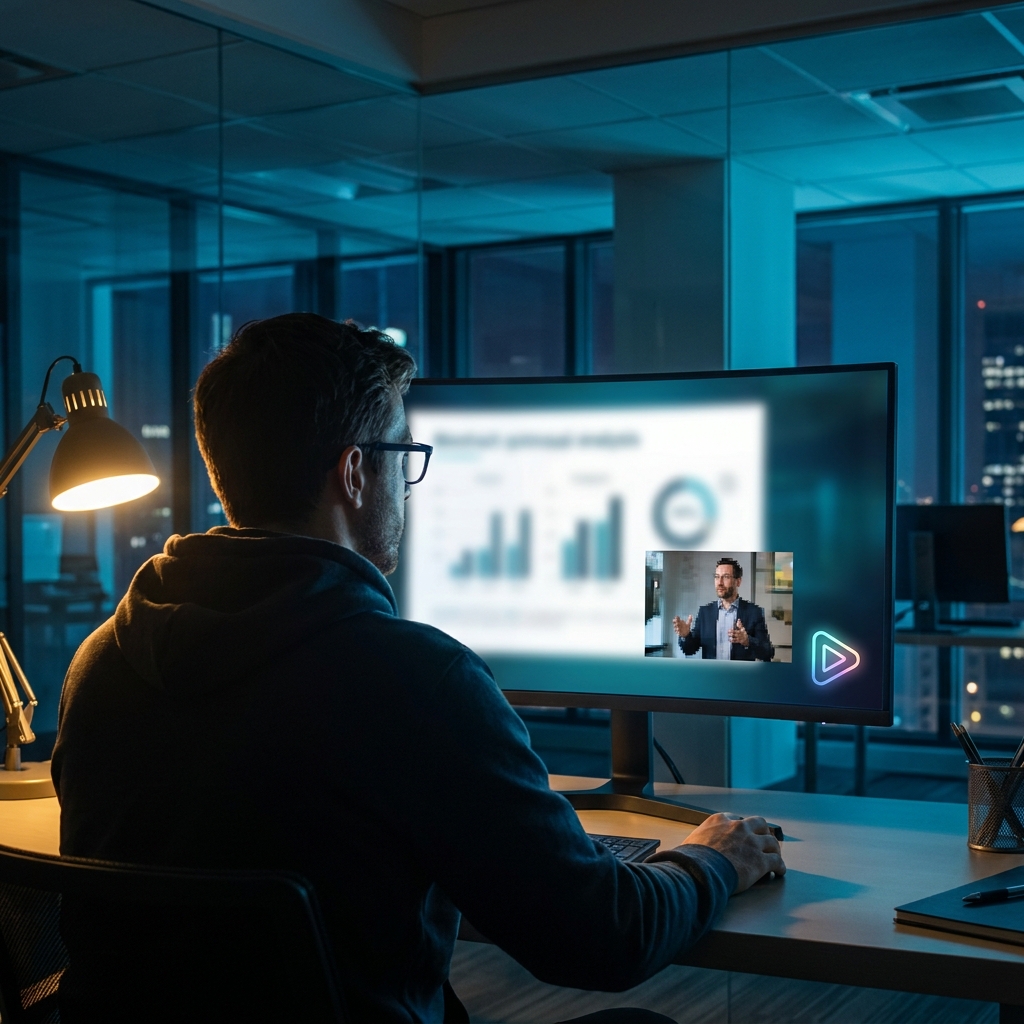
Every session, recorded and free
All lectures are recorded and hosted on the NASA Cosmic Origins Program, with a video embedded in each lecture. Learn live on Monday afternoons, or on your own schedule.
- Weekly one-hour lectures, fully recorded
- Embedded video on every lecture
- Open to the international community
Explore the growing lecture library
One continuous collection of recordings, summaries, and materials from the STIG lecture series. Lectures from the 2026–2027 season will be added here as they take place — see the fall 2026 schedule.
All Lectures
26 lectures in the libraryLarge Language Models as Autonomous Agents
Deep Learning Frameworks
Neural Network Basics
Physics-Inspired Networks
Generative Models
Ethics and Philosophy of Science
Reinforcement Learning
AI Opportunities at NASA
Agentic AI (2026–2027 Series)
Leadership across the series
Meet the current council and revisit the inaugural-year team.
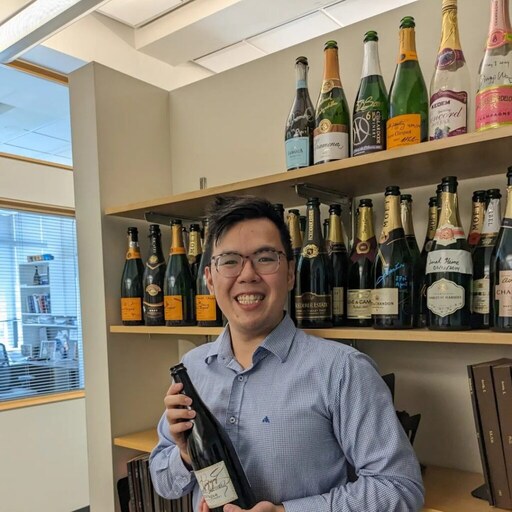
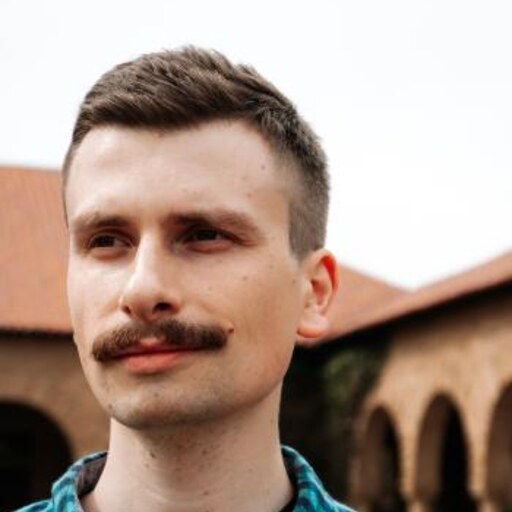
2026–2027 Leadership Council
Co-chairs and working council for the upcoming lecture year.
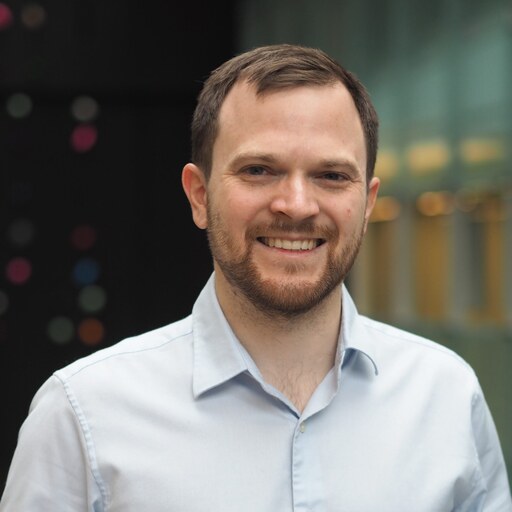
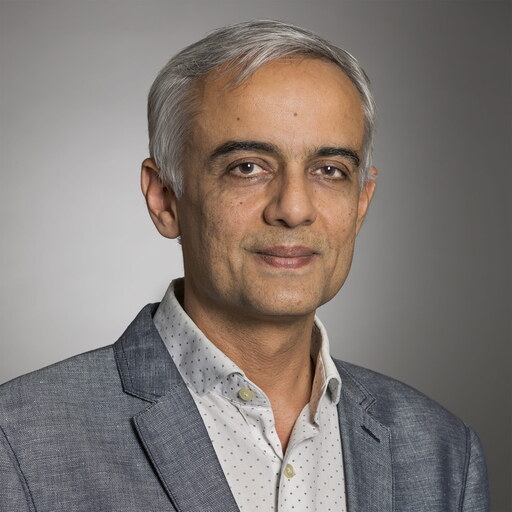
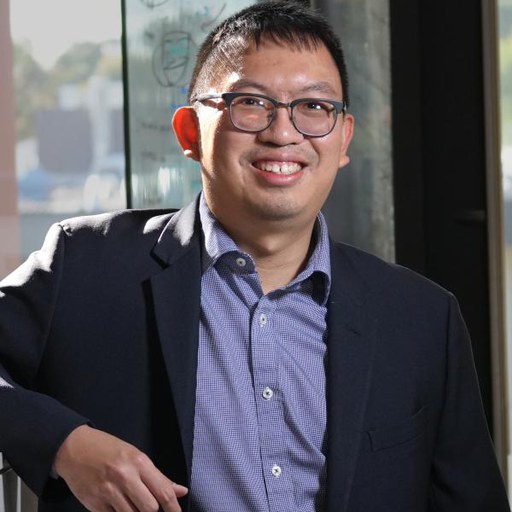 Co-Chair
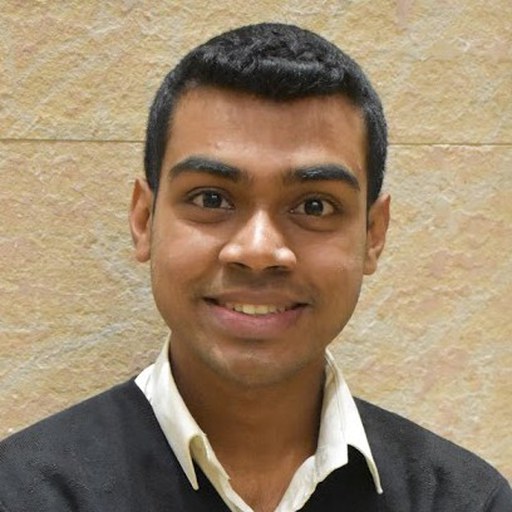 Co-Chair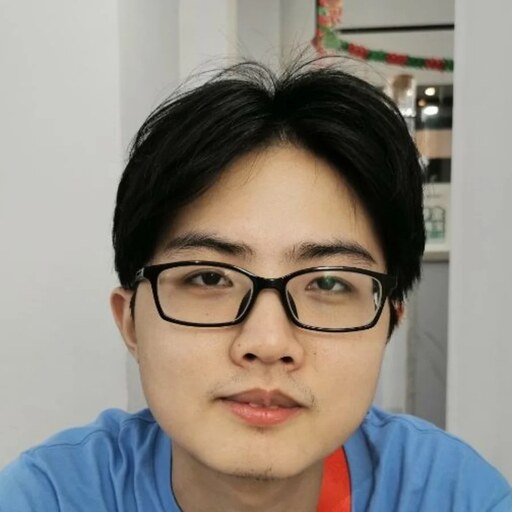
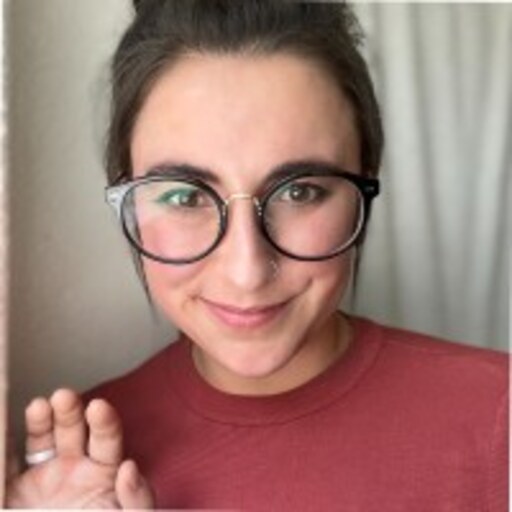
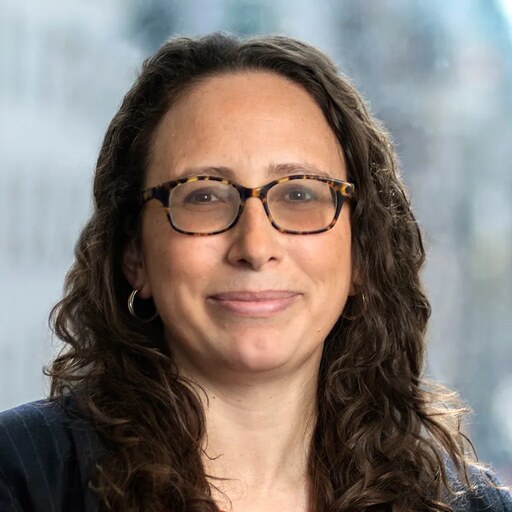
Advisory Council
Senior advisors supporting the direction and continuity of the program.
For inquiries, please contact: ting.74@osu.edu
Speakers and leaders from leading institutions











How to participate
Become a member
Open to the national and international community without regard to institutional affiliation, education, or career status. Astronomers, astrophysicists, data scientists, and anyone curious about AI in astronomy are welcome.
Join the mailing list